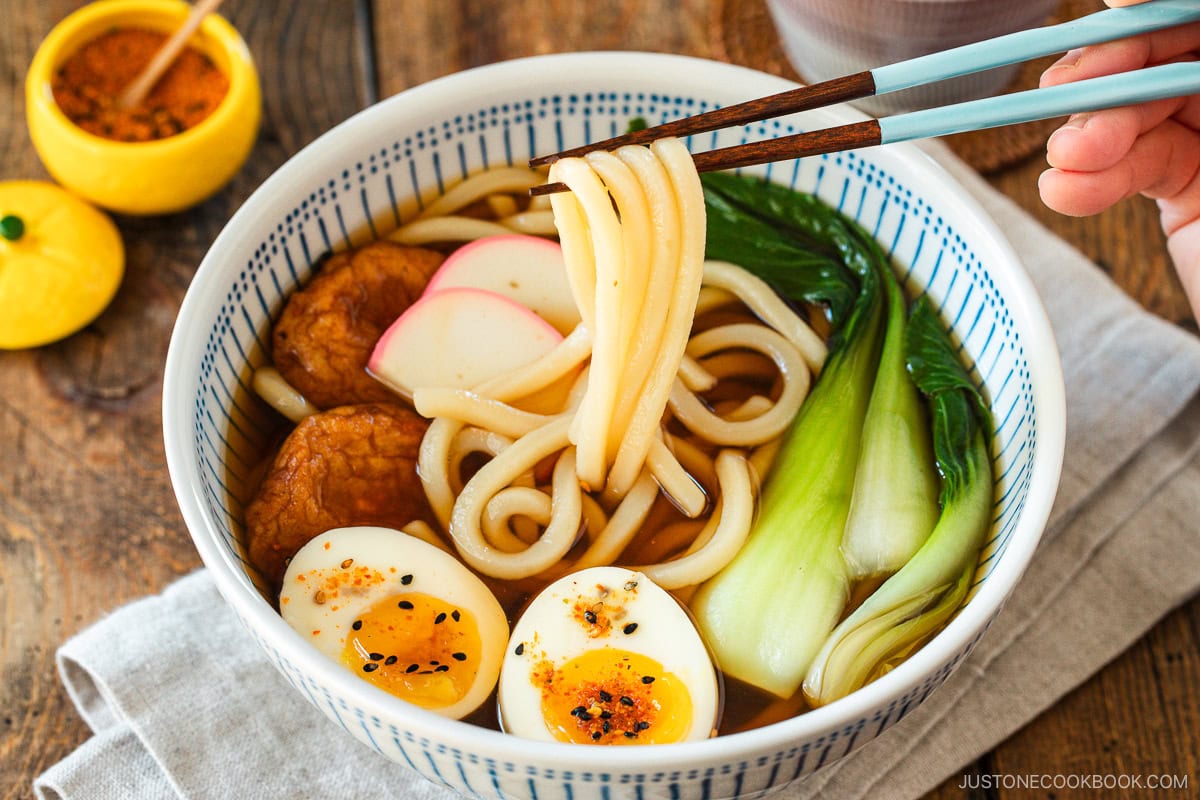
One-Pot Udon: Your Go-To for Quick Comfort and Healthy Customization
In the bustling rhythm of modern life, finding a meal that's both deeply comforting and genuinely good for you often feels like a culinary unicorn. Enter One-Pot Udon: a delightful Japanese creation that perfectly marries speed, flavor, and a surprising capacity for healthy customization. Far from a mere dish, this udon noodle soup is a culinary embrace, offering a warm hug in a bowl, without demanding hours in the kitchen or compromising your wellness goals. For many, it's become a cherished alternative to its more indulgent cousin, ramen, providing that familiar satisfaction with a lighter touch and endless possibilities for personal flair.
Whether you're a busy parent juggling schedules, a student seeking a nutritious yet simple dinner, or simply someone craving a soulful meal on a chilly evening, udon noodle soup rises to the occasion. It's an accessible, versatile, and incredibly rewarding dish that proves healthy eating doesn't have to be bland or complicated.
The Allure of Udon Noodle Soup: Beyond Just a Meal
The enduring popularity of udon noodle soup stems from its unique blend of simplicity and profound flavor. While ramen often features rich, heavy broths and an array of toppings, udon offers a distinct experience: a light, clear, yet undeniably umami-packed broth that serves as a pristine canvas for its signature thick, chewy noodles and a medley of fresh ingredients. This inherent lightness, coupled with its immense versatility, makes it a preferred choice for those seeking a healthier, more adaptable option without sacrificing that essential comfort factor. Indeed, many, particularly from Korean culinary traditions, appreciate it as a fantastic alternative to ramen, striking a perfect balance between convenience and well-being. For a deeper dive into this comparison, explore our article on
Quick & Healthy Udon Noodle Soup: A Ramen Alternative.
Udon noodle soup isn't just sustenance; it's an experience. It's the ideal antidote to a long, demanding day, a soothing balm when you're feeling under the weather, or simply a warm companion on a cold night. Its deeply satisfying nature, coupled with the fact that it's inherently vegetarian-friendly and easily adaptable to various dietary needs, makes it a universal crowd-pleaser.
What Makes Udon Special? The Core Components
To truly appreciate the magic of udon noodle soup, it's helpful to understand its fundamental building blocks:
- The Udon Noodles: These are the undisputed stars of the show. Made from wheat flour, udon noodles are characterized by their remarkable thickness and delightfully chewy texture. Unlike delicate ramen noodles, udon offers a substantial bite, making each spoonful incredibly satisfying. You'll typically find them in Asian markets, particularly Japanese groceries, available either frozen or vacuum-sealed for convenience. When cooking, you have options: either directly add them to your simmering soup, allowing them to soften in minutes, or, for a cleaner, less starchy broth, blanch them separately first. Experimenting with other noodles like fresh egg noodles or even soba can also yield delicious results, though the classic udon chew is truly unique.
- The Broth: Tsuyu (Mentsuyu): The soul of any udon noodle soup lies in its broth, traditionally a light yet deeply flavorful tsuyu, also known as mentsuyu. This multi-purpose Japanese sauce base is a symphony of flavors, typically crafted from soy sauce, sake, mirin (sweet cooking wine), and dashi (a fundamental Japanese stock often made from bonito flakes and kombu seaweed). The result is a savory, subtly sweet, and smoky base brimming with umami – that elusive fifth taste that makes food utterly irresistible. While you can certainly prepare tsuyu from scratch, a high-quality concentrated tsuyu base, readily available in Asian supermarkets, offers an incredible shortcut to an authentic-tasting broth. Simply dilute it with water, and you'll be amazed at the depth of flavor you achieve, often requiring minimal additional seasoning beyond perhaps a dash of garlic, scallions, or black pepper for aroma.
- The Art of Customization: One of udon noodle soup's greatest strengths is its incredible adaptability. It's a culinary playground where you can express your creativity and cater to your preferences. The reference mentions classic additions like fish cake and enoki mushrooms, but the possibilities truly are endless.
- Proteins: Think thinly sliced pork or beef, tender chicken breast, succulent shrimp, mixed frozen seafood, tofu (fried or silken), hotpot balls, tender dumplings, or even a perfectly soft-boiled mayak egg.
- Vegetables: Load it up with nutrients! Napa cabbage, crisp bok choy, crunchy beansprouts, spinach, sliced carrots, bell peppers, zucchini, or even hardy kale can all find a happy home in your udon bowl. Mushrooms, beyond enoki, such as shiitake or oyster mushrooms, add incredible depth.
- Garnishes & Extras: A sprinkle of fresh scallions, a drizzle of chili oil for a kick, a pinch of shichimi togarashi (Japanese seven-spice blend), or a sheet of nori (seaweed) can elevate your bowl from great to extraordinary.
Crafting Your Perfect One-Pot Udon: A Step-by-Step Guide
The beauty of "one-pot" udon lies in its simplicity and the minimal cleanup it demands. This approach is not just about convenience; it’s about allowing flavors to meld beautifully, creating a cohesive and harmonious bowl of udon noodle soup. For a recipe that promises authentic flavors in record time, check out our guide to
Master Customizable Udon Noodle Soup in 20 Minutes.
The Method:
- Begin with the Broth Base: In your chosen pot, bring water to a rolling boil. Carefully add your tsuyu soup base (concentrate or homemade). This is where the foundation of your flavor is laid. Stir until fully dissolved and aromatic. Now is also the perfect time to introduce any foundational aromatics like minced garlic or a few slices of fresh ginger, letting them infuse the broth.
- Noodle Know-How: Once your broth is simmering, it's time for the udon noodles. If you're using frozen or vacuum-sealed noodles and are in a rush, you can add them directly to the boiling broth. They will soften quickly, typically in just a few minutes. However, a chef's pro tip, often overlooked, is to quickly rinse udon noodles under cold water before adding them. This simple step helps to remove excess starch, preventing your beautiful broth from becoming cloudy and overly thick. Let them boil just until tender-chewy – avoid overcooking, as mushy udon is a culinary tragedy!
- Building Flavor & Nutrition: This is where your customization truly shines. Add your chosen protein and vegetables. Think about cooking times:
- Longer-cooking ingredients like thinly sliced beef or pork, dense root vegetables (if using), or hotpot balls should go in first, giving them ample time to cook through.
- Medium-cooking ingredients such as fish cakes, heartier mushrooms (like shiitake), or napa cabbage can follow shortly after.
- Quick-cooking items like enoki mushrooms, spinach, bok choy, or shrimp should be added towards the very end, just until they are heated through and tender-crisp. This ensures vibrant colors, optimal textures, and preserves nutrient integrity.
- Miso Magic: If you choose to incorporate miso paste for extra depth and probiotics, remember this crucial chef's insight: add it off the heat, or at least at the very end, and never let it boil vigorously. High heat can diminish its delicate flavor and beneficial properties. Dissolve it in a small amount of hot broth before stirring into the main pot.
- Final Seasoning and Serve: Taste your udon noodle soup and adjust seasonings as needed. A dash of black pepper, a sprinkle of fresh scallions, or a drizzle of sesame oil can enhance the aroma and flavor profile significantly. Ladle your hot udon into bowls, ensuring each serving gets a generous helping of noodles, broth, and all your delicious toppings.
A crucial chef's insight from the references emphasizes not letting garlic brown at the beginning of your cooking process, as this can introduce an unwanted bitterness that throws off the delicate balance of your broth. Similarly, avoid using dried udon noodles if fresh or frozen options are available, as they often lack the desirable bouncy texture.
Healthy Customization: A Nutrient-Packed Powerhouse
Beyond its convenience and comforting appeal, udon noodle soup stands out as an excellent vehicle for healthy eating. Its inherent design allows for incredible flexibility, empowering you to tailor it to your specific dietary needs and preferences, making it a true nutrient-packed powerhouse.
*
Lean Proteins: Opt for lean protein sources like chicken breast, fish, shrimp, or various forms of tofu. These provide essential amino acids without excessive saturated fats. Edamame is another fantastic plant-based protein addition.
*
Vegetable Abundance: This is where you can truly boost your nutrient intake. Pile in leafy greens like spinach, bok choy, or kale for vitamins A, C, and K, and a good dose of fiber. Add colorful bell peppers for antioxidants, carrots for beta-carotene, and various mushrooms for their unique nutritional profiles and earthy umami. The "clear out the fridge" approach works wonders here, ensuring you're utilizing what you have and reducing food waste.
*
Noodle Choices: While traditional udon is delicious, if you're looking to increase fiber, keep an eye out for whole wheat udon varieties or consider swapping in soba noodles, which often contain buckwheat, for a slightly different texture and nutrient profile.
*
Sodium Control: If sodium intake is a concern, select low-sodium soy sauce for your tsuyu base or make your own broth from scratch, allowing you complete control over salt levels.
*
Gut Health Boost: Incorporating miso paste (added at the end, remember!) can introduce beneficial probiotics, supporting a healthy gut microbiome.
By making conscious choices about your ingredients, your udon noodle soup transforms from a simple meal into a well-rounded, balanced, and incredibly satisfying dish that actively contributes to your health goals, making it a far superior choice to many fast-food or less healthy takeout options.
Conclusion
One-Pot Udon is more than just a recipe; it's a testament to how quick comfort and healthy customization can coexist harmoniously in your kitchen. This udon noodle soup offers the ultimate solution for those seeking a light yet deeply flavorful meal that’s ready in minutes, effortlessly adaptable, and incredibly satisfying. From its thick, chewy noodles to its umami-rich broth and endless topping possibilities, it invites you to explore, experiment, and make it uniquely yours. So, the next time you're yearning for a meal that warms the soul and nourishes the body, embrace the simplicity and deliciousness of a homemade One-Pot Udon. Your taste buds, and your busy schedule, will thank you.